


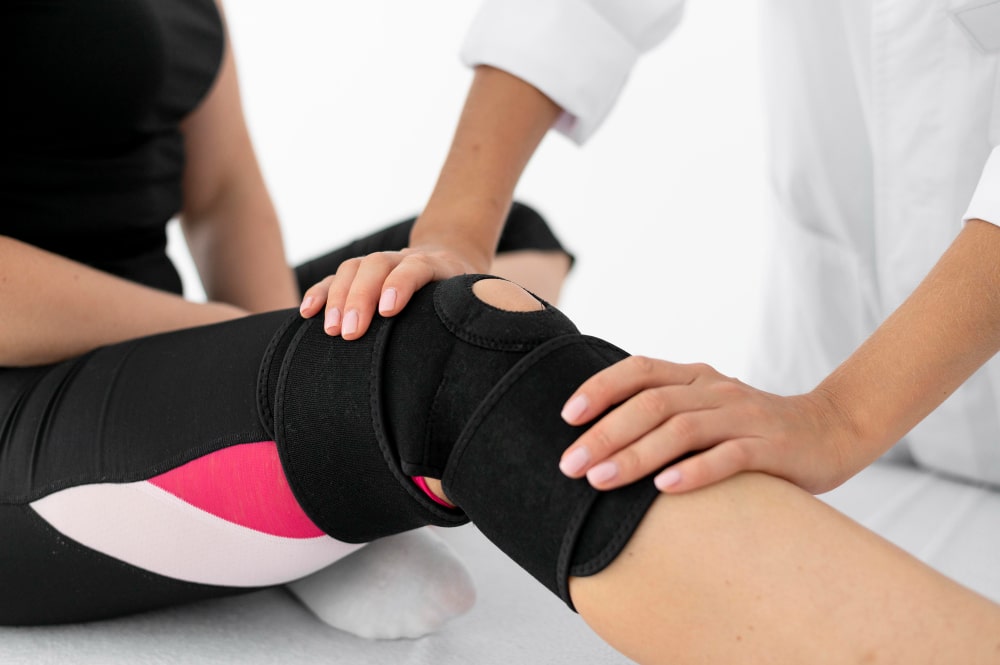
Joint replacement surgery is one of the most effective ways to restore mobility and reduce chronic pain. Whether it’s the knee, hip, or shoulder, replacing a damaged joint can significantly improve a person’s quality of life. However, the surgery alone cannot guarantee complete recovery. Physiotherapy plays an essential role in restoring strength, movement, and flexibility. At RiverNIMS Hospital Nalgonda, patients receive structured rehabilitation programs designed to help them return to daily activities without discomfort.
Why Physiotherapy Is Essential After Joint Replacement
Surgery is only the first step in the healing journey. Physiotherapy ensures the new joint functions correctly and smoothly. It also prevents complications, improves mobility, and supports long-term recovery. Without proper rehabilitation, patients may face stiffness, weak muscles, limited movement, and prolonged pain.
Goals of Physiotherapy After Joint Replacement Surgery
A well-planned physiotherapy program focuses on several key goals:
- Reduce pain and swelling
- Improve joint flexibility
- Strengthen surrounding muscles
- Restore balance and coordination
- Help patients walk safely
- Prevent stiffness and scar tissue
- Promote faster healing
- Enable independent movement
Each patient’s treatment plan at RiverNIMS Hospital is personalized based on age, medical history, and the type of joint replaced.
How Physiotherapy Helps After Knee Replacement
Knee replacement is extremely common, especially among older adults. Physiotherapy helps patients regain mobility quickly and safely.
1. Early Mobilization
Movement usually starts within 24 hours after surgery. Early mobilization reduces the risk of blood clots and speeds up recovery.
2. Range-of-Motion Exercises
These exercises help patients bend and straighten the knee gradually. Regular practice prevents stiffness.
3. Strength Training
Strong thigh and calf muscles support the new knee joint. Physiotherapists guide patients through controlled exercises to boost stability.
4. Gait Training
Walking correctly is crucial. Patients learn to walk with walkers or crutches before progressing to independent walking.
5. Pain and Swelling Control
Techniques like ice therapy, elevation, and compression accelerate healing.
How Physiotherapy Helps After Hip Replacement
Hip replacement requires targeted exercises and careful movement to protect the joint.
1. Improving Joint Stability
Strengthening surrounding muscles helps the hip stay stable while walking or standing.
2. Safe Movement Techniques
Patients learn how to sit, stand, bend, or climb stairs without dislocating the new joint.
3. Balance Training
After surgery, balance may be affected. Physiotherapy improves coordination and walking safety.
4. Core and Pelvic Strengthening
These exercises reduce pressure on the hip and enhance overall body alignment.
How Physiotherapy Helps After Shoulder Replacement
Shoulder replacements require a slower, more controlled rehabilitation process.
1. Passive Mobility Exercises
Initially, the therapist moves the arm gently to maintain flexibility.
2. Active Strengthening
As healing progresses, patients perform exercises to strengthen shoulder and upper back muscles.
3. Improving Daily Function
Therapists teach safe ways to lift objects, reach overhead, and perform routine tasks.
4. Posture Correction
Proper posture protects the shoulder joint and prevents long-term strain.
Benefits of Physiotherapy After Joint Replacement
Physiotherapy offers several advantages that contribute to long-term success:
1. Faster Recovery
Patients who follow a structured rehab program regain mobility sooner than those who do not.
2. Better Joint Function
Physiotherapy ensures the new joint works smoothly and efficiently.
3. Reduced Pain
Strengthening muscles and increasing flexibility naturally reduces discomfort.
4. Prevention of Complications
Physiotherapy minimizes the risk of infection, stiffness, blood clots, and muscle weakness.
5. Improved Confidence
Patients feel more secure and independent as they regain movement.
6. Long-Term Mobility
Regular exercises protect the joint and extend its lifespan.
Rehabilitation Programs at RiverNIMS Hospital
RiverNIMS Hospital Nalgonda offers specialized physiotherapy services for joint replacement patients. The rehabilitation program includes:
1. One-on-One Physiotherapy
Each patient receives personalized guidance from experienced physiotherapists.
2. Modern Rehabilitation Equipment
Treadmills, muscle stimulators, exercise bikes, and strength machines support safe recovery.
3. Home Exercise Plans
Patients are taught simple exercises to continue rehabilitation at home.
4. Pain and Swelling Management
Cold therapy, ultrasound therapy, and manual techniques help reduce discomfort.
5. Progress Tracking
Regular assessments ensure the patient is recovering at the right pace.
How Long Does Physiotherapy Take?
The duration varies from patient to patient. However, general timelines include:
- Knee replacement: 6–12 weeks
- Hip replacement: 6–10 weeks
- Shoulder replacement: 10–16 weeks
Although many people feel better within a month, full strength and flexibility take time. Consistency is the key to success.
When to Contact Your Physiotherapist Immediately
During rehabilitation, certain symptoms require immediate attention:
- Increasing pain rather than decreasing
- Excessive swelling
- Difficulty walking
- Joint redness or warmth
- Sudden inability to move the joint
- Pain accompanied by fever
Early intervention prevents complications and ensures safe recovery.
Conclusion
Physiotherapy is a vital part of the healing process after joint replacement surgery. It ensures smoother movement, reduced pain, and better long-term results. With expert physiotherapists, modern equipment, and personalized care, RiverNIMS Hospital Nalgonda helps patients regain mobility and return to daily life confidently. Anyone undergoing joint replacement should follow a structured rehabilitation program to achieve the best possible outcome.