
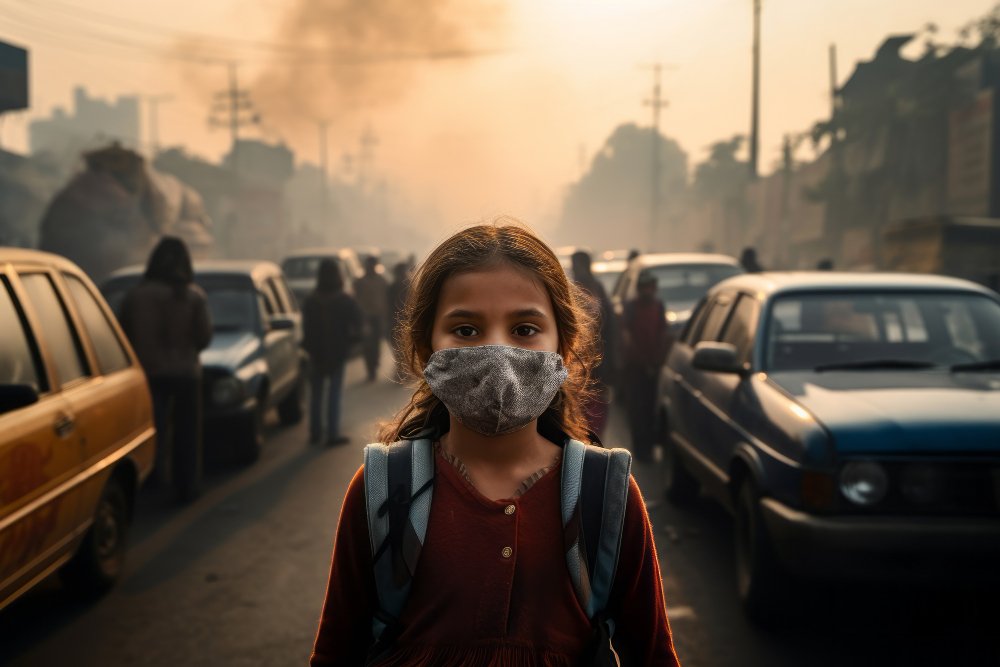
Air pollution has become one of the biggest environmental health threats in 2026. Across Telangana, including Nalgonda, increasing vehicle emissions, industrial activity, and dust levels are affecting the quality of air we breathe every day.
While pollution may not always be visible, its impact on lung health is significant. From children to elderly individuals, everyone is at risk of respiratory problems. Therefore, understanding how polluted air affects your lungs is essential for protecting your family’s health.
What Is Air Pollution and Why It Matters
Air pollution consists of harmful particles and gases present in the air. These include:
- PM2.5 and PM10 particles (fine dust and pollutants)
- Smoke from vehicles and industries
- Chemical gases like nitrogen dioxide and sulfur dioxide
- Indoor pollutants from cooking, dust, and poor ventilation
Because these particles are extremely small, they easily enter the lungs and even the bloodstream. As a result, long-term exposure leads to serious health problems.
How Air Pollution Affects Lung Health
The lungs are the first organs exposed to polluted air. Continuous exposure gradually damages lung tissues.
1. Inflammation of Airways
Pollutants irritate the airways, causing swelling and narrowing. Consequently, breathing becomes difficult.
2. Reduced Lung Function
Over time, lung capacity decreases. This makes physical activities more tiring.
3. Increased Risk of Chronic Diseases
Long-term exposure contributes to conditions such as:
- Asthma
- Chronic Obstructive Pulmonary Disease (COPD)
- Bronchitis
- Lung infections
4. Impact on Children’s Lung Development
Children are particularly vulnerable. Poor air quality can slow lung development and increase the risk of lifelong respiratory issues.
Common Symptoms Caused by Pollution Exposure
Although symptoms may start mildly, they can worsen with continued exposure.
Early Symptoms
- Frequent coughing
- Sneezing or throat irritation
- Mild breathlessness
- Watery eyes
Advanced Symptoms
- Persistent cough
- Chest tightness
- Wheezing
- Shortness of breath during daily activities
- Repeated respiratory infections
If these symptoms persist, medical evaluation becomes necessary.
Who Is Most at Risk?
Certain groups are more sensitive to polluted air:
- Children and infants
- Elderly individuals
- People with asthma or COPD
- Smokers
- Outdoor workers
- Pregnant women
For these individuals, even moderate pollution levels can trigger severe health issues.
Indoor Air Pollution: The Hidden Danger
While outdoor pollution gets attention, indoor air quality is often ignored. However, it can be equally harmful.
Common indoor sources include:
- Cooking smoke
- Dust and allergens
- Poor ventilation
- Household chemicals
Therefore, improving indoor air quality is just as important as avoiding outdoor pollution.
Prevention Tips to Protect Your Family
Fortunately, simple measures can significantly reduce exposure.
1. Monitor Air Quality Levels
Check daily air quality index (AQI) and limit outdoor activities when pollution levels are high.
2. Use Masks in High Pollution Areas
Wearing protective masks reduces inhalation of harmful particles.
3. Improve Indoor Air Quality
- Keep windows open for ventilation when air quality is better
- Use exhaust fans while cooking
- Clean dust regularly
4. Use Air Purifiers (If Possible)
Air purifiers help remove fine particles from indoor air.
5. Stay Hydrated
Drinking water helps maintain respiratory health and flush toxins.
6. Include Lung-Healthy Foods
Foods rich in antioxidants, such as fruits and vegetables, support lung function.
When Should You Consult a Doctor?
Medical advice is necessary if you experience:
- Persistent cough lasting more than two weeks
- Difficulty breathing
- Frequent chest infections
- Worsening asthma symptoms
- Reduced exercise tolerance
Early consultation prevents long-term lung damage.
How RiverNIMS Hospital, Nalgonda Can Help
RiverNIMS Hospital offers comprehensive respiratory care for pollution-related health issues. Services include:
- Pulmonary function tests (PFT)
- Chest imaging (X-ray, CT scan)
- Asthma and COPD management
- Allergy testing and treatment
- Emergency care for breathing difficulties
With expert pulmonologists and modern diagnostics, patients receive accurate diagnosis and effective treatment.
Conclusion
Air pollution in 2026 is a growing concern that directly affects lung health. Although it cannot be completely avoided, taking preventive steps can significantly reduce risks.
By staying informed, adopting healthy habits, and seeking timely medical care, families in Nalgonda can protect themselves from the harmful effects of polluted air. For expert guidance and treatment, RiverNIMS Hospital is always ready to support your respiratory health.