


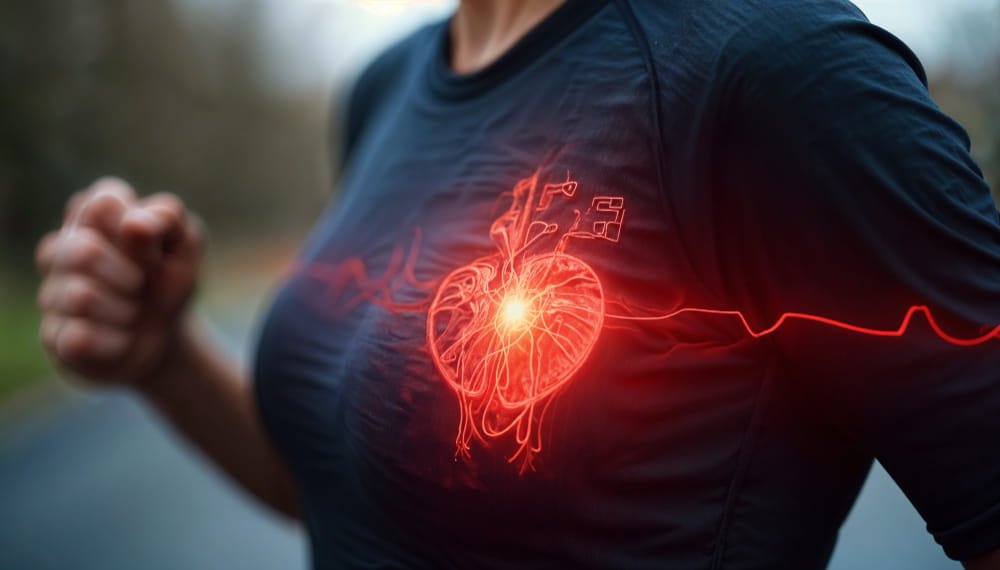
Extreme heat waves are no longer occasional events they have become a recurring health threat across Telangana, including Nalgonda. Rising temperatures in 2026 are affecting human health in multiple ways. Among the most vulnerable organs are the kidneys and heart. Because these systems are closely tied to fluid balance and circulation, prolonged heat exposure can disrupt their normal functioning. As a result, hospitals are seeing more patients with dehydration, electrolyte imbalance, kidney strain, and cardiac stress.
Understanding how heat impacts organ function empowers you to take preventive action before minor symptoms turn into emergencies.
Why Heatwaves Matter to Your Health
Heat impacts every body system, but especially those that rely on fluid balance and blood flow. When the weather becomes excessively hot:
- The body sweats more to cool down
- Blood flow increases to the skin surface
- Fluid loss rises rapidly
- Mineral imbalance (like sodium, potassium) occurs
Without proper hydration and care, the kidneys struggle to filter blood efficiently. At the same time, the heart needs to work harder to maintain circulation especially in older adults or people with chronic conditions.
How Heat Affects Kidney Health
Your kidneys maintain fluid, electrolyte balance, and blood pressure. However, heatwaves significantly increase kidney workload.
Dehydration and Kidney Stress
When you don’t drink enough water, urine becomes concentrated. Over time, this leads to:
- Kidney stones
- Acute kidney injury
- Chronic kidney stress
Moreover, high temperatures increase the risk of heat cramps and electrolyte disturbances, which further burden kidney function.
Higher Risk for Vulnerable Individuals
People with existing kidney issues, diabetes, or hypertension are especially at risk. For these patients, even short periods of dehydration can trigger severe complications.
How Heat Affects Heart Health
The heart works overtime during heat stress.
Increased Heart Rate and Blood Pressure
Heat causes blood vessels to dilate in an attempt to cool the body. As a result, the heart pumps faster and harder. Consequently:
- Blood pressure may rise, especially in older adults
- People with heart disease struggle to keep up
Higher Risk of Cardiac Events
Patients with existing cardiac conditions — such as coronary artery disease, arrhythmias, or heart failure — cannot compensate easily for thermal stress. Therefore, heatwaves contribute to:
- Chest pain
- Arrhythmias
- Shortness of breath
- Increased risk of heart attack
Symptoms You Should Never Ignore
Heat-related kidney and heart strain can start subtly but worsen quickly. You should seek medical care if you notice:
- Extreme thirst with dark urine
- Dizziness or fainting spells
- Muscle cramps
- Rapid or irregular heartbeat
- Pain or pressure in the chest
- Shortness of breath
- Reduced urination
Although some symptoms may feel minor at first, early intervention can prevent permanent damage.
Who Is Most Vulnerable?
Certain groups are more at risk during heatwaves:
- People above 60 years of age
- Individuals with kidney disease or diabetes
- Patients with heart conditions or high blood pressure
- Outdoor workers and farmers
- Children and pregnant women
If you fall into one of these categories, monitoring hydration and heat exposure is essential.
Prevention: How to Protect Your Kidneys and Heart in Extreme Heat
Heat-related illness is largely preventable. Here are expert-recommended measures:
1. Stay Hydrated Throughout the Day
Adequate fluid intake maintains normal kidney function and blood volume. Water not caffeinated or sugary drinks is best.
2. Eat Light and Balanced Meals
Heavy meals increase metabolic heat. Instead, include fruits and vegetables with high water content.
3. Avoid Peak Heat Hours
Try to stay indoors or in shade between 10 AM and 4 PM, when temperatures are highest.
4. Wear Light, Breathable Clothing
Loose cotton or moisture-wicking fabrics help the body cool more efficiently.
5. Monitor Medications
Certain heart and kidney medicines like diuretics may require dosage adjustments during extreme heat. Always talk to your doctor before changing any treatment.
6. Use Cooling Aids
Fans, cool showers, and damp cloths help regulate body temperature.
Heatwaves and Pre-Existing Conditions
If you already have heart disease or kidney issues, heat amplifies the stress on your body. In fact:
- High blood pressure can spike
- Fluid imbalances become harder to correct
- Heart failure symptoms may get worse
Consequently, proactive health checkups and individualized care plans are critical. Your doctor may advise lab tests, blood pressure monitoring, and personalized hydration strategies.
How RiverNIMS Hospital, Nalgonda Supports Patients During Heatwaves
RiverNIMS Hospital provides a range of services for heat-related health concerns, including:
- Emergency care for heatstroke and dehydration
- Advanced diagnostics for kidney and heart health
- Cardiology and nephrology consultations
- Blood tests to check electrolytes and renal function
- Personalized hydration and medication guidance
- Follow-up care for heart and kidney patients
With experienced specialists and 24×7 emergency access, RiverNIMS is committed to helping patients stay safe even during extreme weather.
Conclusion
Heatwaves in Telangana are no longer a seasonal inconvenience they are a health hazard that affects vital organs like the kidneys and heart. By understanding how heat impacts your body and taking preventive steps, you can stay healthy even in high temperatures.
If you experience unusual symptoms during a heatwave, do not hesitate to seek medical consultation. Early diagnosis and appropriate care at RiverNIMS Hospital, Nalgonda can protect your health and prevent long-term complications.